
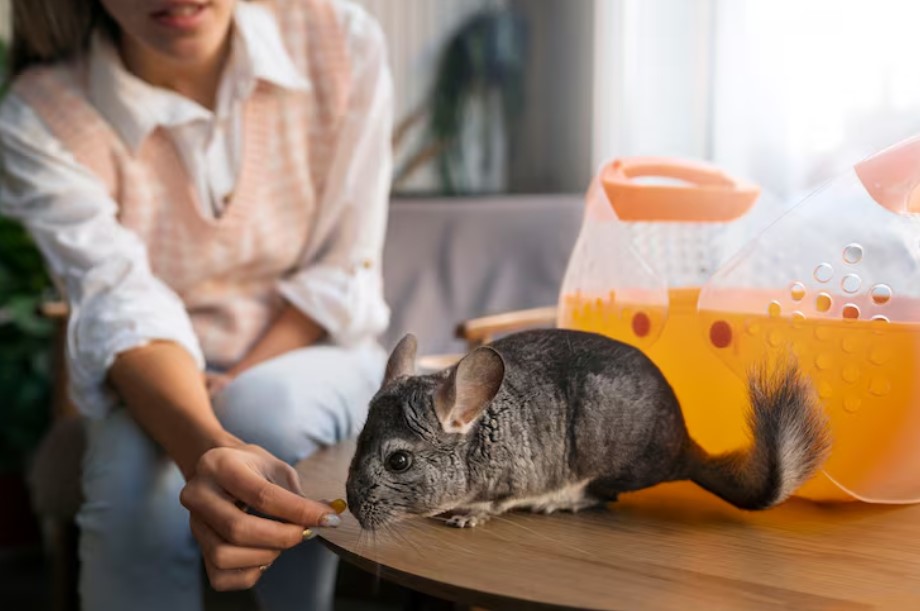
Bringing home a small pet is an exciting experience, but providing proper care requires more than just food and a comfortable cage. Rabbits, guinea pigs, hamsters, gerbils, mice, and other small animals need the right environment, nutrition, enrichment, and daily care products to stay healthy and active.
Choosing the right small animal supplies helps create a safe and comfortable habitat that supports your pet’s natural behaviors. From feeding tools and bedding to toys and enclosure accessories, every item plays an important role in your pet’s well-being.
Many new owners are unsure which products are essential and which ones are optional. This guide covers the most important small animal accessories, pet supplies for small animals, and small animal cage supplies every beginner should consider.
Why Choosing the Right Small Animal Supplies Matters
Small pets may be small in size, but their care needs are significant.
The right supplies help support:
-
Healthy eating habits
-
Comfortable living conditions
-
Mental stimulation
-
Natural behaviors
-
Clean and safe habitats
-
Better overall wellness
A properly prepared environment can reduce stress and help your pet feel secure.
Every species has different requirements. A rabbit habitat will need different supplies compared with a hamster enclosure or guinea pig setup.
Essential Small Animal Housing Supplies
A safe and comfortable home is one of the most important parts of small pet care.
Small Animal Cage or Habitat
The enclosure should provide enough space for:
-
Movement
-
Rest
-
Exploration
-
Natural behaviors
When choosing a habitat, consider:
-
Pet species
-
Adult size
-
Activity level
-
Ventilation
-
Cleaning needs
A cage that is too small can limit movement and affect your pet’s quality of life.
Bedding Materials
Bedding helps provide comfort and supports cleanliness.
Common bedding options include:
-
Paper bedding
-
Aspen bedding
-
Hay-based bedding
-
Other species-appropriate materials
Good bedding should be:
-
Absorbent
-
Low dust
-
Safe for your pet
-
Easy to replace
Avoid bedding with strong fragrances or unsafe materials.
Hideouts and Shelters
Small animals often need places where they can hide and rest.
Hideouts can help provide:
-
Security
-
Reduced stress
-
Natural hiding behavior
Options include:
-
Wooden shelters
-
Plastic hide houses
-
Tunnel systems
-
Nesting areas
Feeding Supplies for Small Animals
Proper nutrition starts with the right feeding equipment.
Food Bowls
A stable food bowl helps prevent mess and waste.
Look for:
-
Heavy materials
-
Easy cleaning
-
Appropriate size
Ceramic bowls are often useful because they are harder for small pets to move.
Water Bottles and Bowls
Fresh water is essential for all small animals.
Water supplies should:
-
Be easy to access
-
Stay clean
-
Be checked daily
Many cage setups use water bottles because they reduce contamination.
Hay Feeders
For herbivores like rabbits and guinea pigs, hay is a major part of the diet.
Hay feeders help:
-
Keep hay clean
-
Reduce waste
-
Encourage natural feeding habits
Small Animal Food Supplies
Choosing the correct food is one of the most important parts of pet care.
Different animals need different diets.
Examples include:
-
Rabbit food
-
Guinea pig food
-
Hamster food
-
Gerbil food
-
Rat and mouse food
Quality pet supplies for small animals should match the species and provide appropriate nutrients.
Avoid using one food type for every small pet.
Small Animal Accessories for Enrichment
Small pets need more than basic care. They also need activities that encourage natural behaviors.
Toys
Toys help provide:
-
Mental stimulation
-
Exercise
-
Entertainment
Examples include:
-
Chew toys
-
Puzzle toys
-
Activity balls
-
Tunnels
Choose toys designed specifically for small animals.
Chew Accessories
Many small pets have continuously growing teeth.
Chewing helps maintain healthy teeth.
Common chew options include:
-
Wooden chews
-
Natural branches
-
Safe chew blocks
Avoid products containing unsafe chemicals or artificial coatings.
Exercise Equipment
Different animals require different exercise options.
Examples include:
-
Running wheels for certain rodents
-
Play tunnels
-
Activity areas
-
Climbing accessories
Always choose equipment based on your pet’s species and size.
Grooming Small Animal Supplies
Some small animals need regular grooming support.
Useful grooming supplies may include:
-
Soft brushes
-
Nail trimmers
-
Grooming combs
-
Cleaning tools
Long-haired breeds may require more frequent grooming.
Regular grooming helps:
-
Maintain coat condition
-
Reduce discomfort
-
Support health checks
Cleaning Supplies for Small Animal Habitats
Keeping the habitat clean is essential for preventing odor and maintaining health.
Important cleaning supplies include:
-
Safe cage cleaners
-
Waste scoops
-
Replacement bedding
-
Cleaning brushes
Avoid harsh chemicals that may be harmful to small animals.
Clean regularly while maintaining a comfortable environment.
Choosing Small Animal Cage Supplies
The right small animal cage supplies depend on your pet’s needs.
Important items may include:
-
Food dish
-
Water bottle
-
Bedding
-
Hideout
-
Toys
-
Chew items
-
Hay feeder
-
Cleaning tools
A good cage setup should balance comfort, safety, and enrichment.
Avoid overcrowding the enclosure with unnecessary items.
Your pet should still have enough space to move freely.
Small Animal Supplies for Different Pets
Rabbit Supplies
Rabbits commonly need:
-
Large habitat area
-
Hay feeder
-
Food bowl
-
Water supply
-
Chew toys
-
Litter supplies
Guinea Pig Supplies
Guinea pigs often need:
-
Hay rack
-
Comfortable bedding
-
Food dish
-
Hideout
-
Safe toys
Hamster Supplies
Hamsters may need:
-
Secure cage
-
Appropriate bedding depth
-
Exercise wheel
-
Hideouts
-
Chew toys
Gerbil and Mouse Supplies
Small rodents often benefit from:
-
Digging areas
-
Tunnels
-
Chew toys
-
Nesting materials
Common Small Animal Supply Mistakes
Buying the Wrong Size Cage
A small enclosure may not provide enough room for natural movement.
Choosing Unsafe Accessories
Not all pet accessories are designed with small animals in mind.
Ignoring Enrichment
Food and shelter are important, but pets also need activities.
Using Strong Cleaning Chemicals
Some cleaners can create unsafe environments.
Buying Too Many Unnecessary Products
Focus on quality essentials first.
How to Choose the Best Small Animal Supplies
Before buying small animal accessories, consider:
Your Pet Species
Different animals have different needs.
Safety
Choose products made specifically for small pets.
Material Quality
Look for durable, non-toxic materials.
Maintenance
Choose supplies that are easy to clean and maintain.
Comfort
Your pet should feel secure and comfortable using the products.
Creating a Complete Small Animal Setup
A well-prepared habitat should include:
-
Safe enclosure
-
Comfortable bedding
-
Proper food
-
Fresh water
-
Hide areas
-
Enrichment toys
-
Cleaning supplies
The goal is to recreate an environment where your pet can perform natural behaviors.
Build a Better Home for Your Small Pet
The right small animal supplies create the foundation for better pet care.
Whether you own a rabbit, hamster, guinea pig, or another small animal, choosing appropriate products helps support health, comfort, and happiness.
Start with essential small animal cage supplies, then add enrichment items like toys and accessories based on your pet’s needs.
Before purchasing new pet supplies for small animals, review your current setup. Check whether your pet has enough space, proper nutrition, safe accessories, and opportunities for activity.
A thoughtful habitat creates a safer and happier life for your small companion.
Frequently Asked Questions
1. What are the most important small animal supplies for beginners?
Essential small animal supplies include a suitable enclosure, bedding, food, water equipment, hideouts, and safe enrichment items.
2. Are all Small Animal accessories suitable for every pet?
No. small animal accessories should be chosen based on the species, size, and behavior of your pet.
3. What pet supplies for small animals should I buy first?
Start with basic pet supplies for small animals such as housing, food supplies, bedding, water equipment, and cleaning tools.
4. What small animal cage supplies are necessary?
Common small animal cage supplies include food bowls, water bottles, bedding, hideouts, toys, and habitat cleaning products.
5. How often should I replace small animal supplies?
Replacement schedules depend on the product. Bedding, worn toys, damaged accessories, and dirty supplies should be replaced as needed.